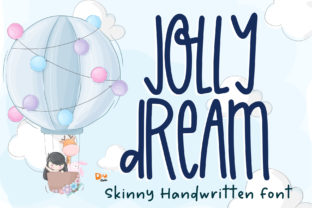
Jolly Dream Font for Web Design
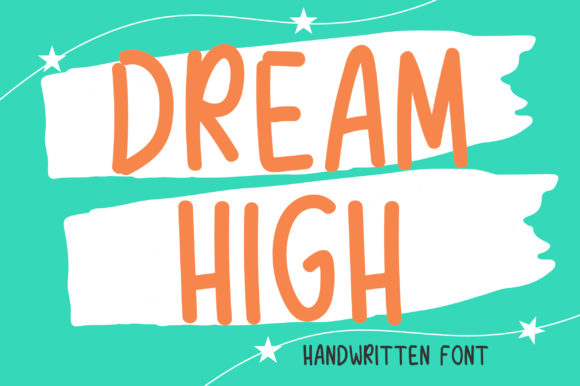
Jolly Dream is a handwritten script font that brings a warm, friendly tone to digital design. Its casual and approachable style makes it ideal for web designers looking to add personality to headers, call-to-action buttons, and brand elements. As part of the Script Amp collection, Jolly Dream stands out with its natural, almost pen-and-ink feel that feels both modern and nostalgic.
When used in web design, Jolly Dream can enhance visual hierarchy by standing out as a display font while maintaining readability. It works best for short phrases, headlines, and decorative accents rather than long blocks of text. The font’s subtle variations in stroke weight and spacing make it visually engaging without overwhelming the user.
Using Jolly Dream in Web Layouts
Web designers often use Jolly Dream for hero sections, landing pages, and social media graphics where a personal touch is needed. For example, a creative portfolio site might use Jolly Dream for the main title or project headings to create an inviting, artistic vibe. In online stores, the font can be used for banners or product titles to add a unique, handmade feel.
On mobile screens, Jolly Dream remains legible at larger sizes but may need careful spacing when used in smaller text. Designers should test it on different screen sizes and backgrounds to ensure clarity. On dark backgrounds, the font maintains good contrast, but on light backgrounds, it may benefit from a slightly bolder weight or adjusted line height.
For conversion-focused layouts, Jolly Dream can be used in CTA buttons or promotional banners. Its friendly appearance helps build trust and encourages engagement. However, it’s important to balance it with more neutral fonts for body copy to maintain readability and professionalism.
Brand Identity and Visual Hierarchy
Jolly Dream adds a distinct personality to brand identity. It’s well-suited for brands targeting a youthful, creative, or artisanal audience. When paired with a clean sans serif font like Roboto or Open Sans, it creates a balanced look that’s both expressive and functional. This pairing is common in editorial design, packaging design, and digital marketing assets.
In UI design, Jolly Dream can be used for logos, icons, or decorative elements that reinforce a brand’s tone. It’s less suitable for navigation menus or data-heavy sections, where clarity and consistency are key. Instead, it shines in areas that require a human touch, such as blog headers, course pages, or coaching websites.
Designers should also consider multilingual support when using Jolly Dream. While it may not cover all languages, it works well for English and many European languages. Checking the font’s available styles and file formats is essential before integrating it into a project.
Font Pairing and Digital Branding
Pairing Jolly Dream with a complementary font enhances its impact. A serif font like Lora or Playfair Display can create an elegant, editorial feel, while a sans serif font like Montserrat or Nunito offers a modern contrast. These pairings help maintain visual balance and ensure the design remains accessible across different platforms.
For digital product creators, Jolly Dream can elevate the look of templates, website themes, and branding kits. It’s particularly effective in social media graphics, where a handwritten touch can make content more relatable. When used in conjunction with other design assets, it contributes to a cohesive and memorable brand presence.
Commercial font licensing is an important consideration for web designers and SaaS founders. Jolly Dream should be licensed appropriately for use on websites, client projects, and online stores. Always verify the terms to avoid legal issues and ensure compliance with font usage policies.
Best Practices for Digital Use
When using Jolly Dream in web design, start with large text sizes for headers and titles. Avoid using it for body copy, as it may reduce readability. Test the font on different devices and screen resolutions to ensure it performs well in responsive layouts.
For small buttons or icons, consider using a simplified version of the font or a variant with tighter spacing. On image overlays, Jolly Dream can add a creative flair but should be used sparingly to avoid clutter. Overall, its charm lies in its ability to add warmth without distracting from the design’s purpose.
As a premium font, Jolly Dream offers a unique blend of creativity and usability. Whether you’re designing a landing page, an online store, or a digital brand kit, it provides a versatile tool for expressing personality and building a consistent visual identity. Its friendly nature makes it a go-to choice for designers who want to connect with their audience on a more personal level.
Jolly Dream is more than just a typeface—it’s a design asset that enhances the emotional impact of digital experiences. By using it thoughtfully, web designers can create layouts that are both aesthetically pleasing and functionally effective.